
The Trap of Cost-Effectiveness and Investment Philosophy
※ This post is not intended to criticize products from any specific country. It’s a reflection on my personal consumer habits—especially the importance of checking product origins 😊 ※
Hello,
I’m a 50-something unemployed woman sharing stories from my journey into investing 😊
A small incident at the supermarket turned into a surprisingly big lesson, and I’d love to share it with you today.
🍞 Falling into the Cost-Effectiveness Trap
(This is not a critique of Chinese products. It’s a personal confession about momentarily ignoring my own consumer principles.)
At Homeplus Express, I spotted a bag of Milk Petit Cakes.
12 pieces for just 2,990 KRW.
I thought, “Perfect snack to share at work tomorrow!” and grabbed it without a second thought.
But when I got home… I noticed the origin: Made in China.
I usually check labels carefully and avoid certain origins based on my preferences.
So why didn’t I check this time?
I was blinded by the price. (Cheap isn’t always cheerful 😭)
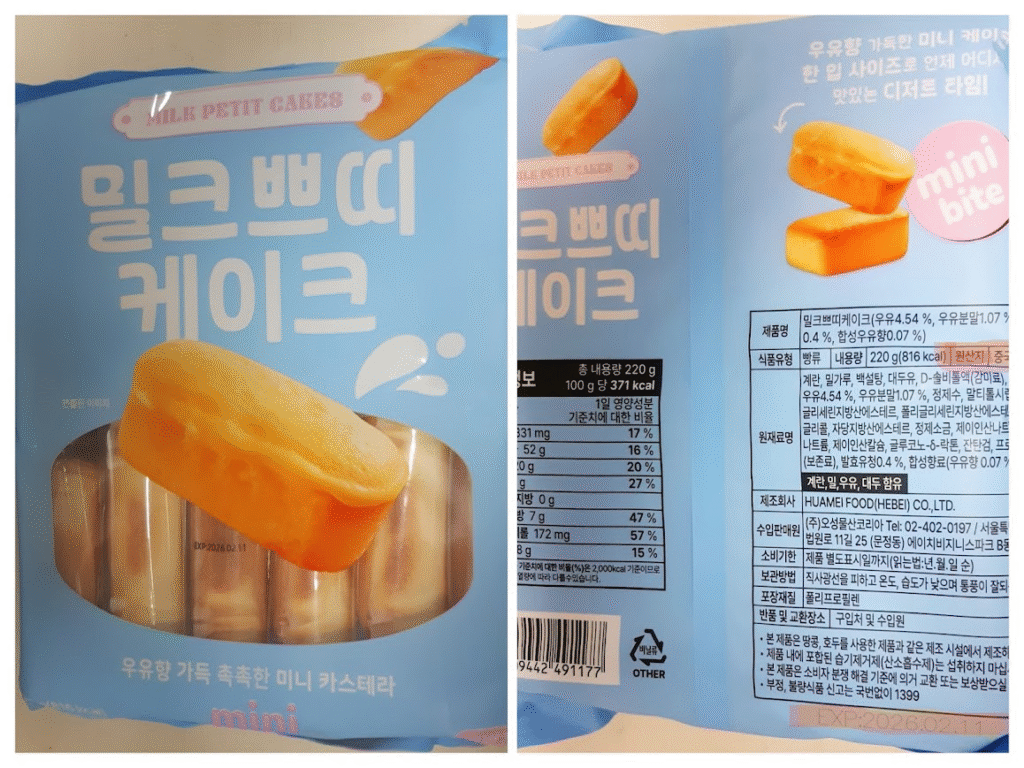
That’s a long shelf life. I joked, “With all those preservatives, I might live forever 😂”
((This isn’t bread—it’s a masterpiece of preservation 😅))
💰 What We Lose When Obsessed with Price
(I always check product origins out of habit—not to criticize. Just sharing my experience.)
Why do we love cheap things?
Because we want to save money.
But this experience showed me the trap of cost-effectiveness.
I saved money, yes—
But I lost the value of peace of mind and trust in what I eat.
(That one bag of bread caused stress, refund debates, and wasted time… I hated that!)
In the end, cheap things often come with hidden costs.
💸 Lessons That Apply to Investing
This lesson applies directly to my investment habits.
Buying stocks just because they’re cheap?
It’s like buying that bread.
They may look attractive,
But behind the scenes, the company might be stagnant or ignored by the market.
You feel good about the low price at first,
But long-term, you miss out on capital growth.
🧠 The Trap of Overly Safe Assets
Likewise, ultra-safe assets like RP or short-term bonds feel comforting—
But their returns often don’t keep up with inflation.
→ You protect your money
→ But fail to grow real wealth
🎯 Value-Driven Habits in Consumption and Investment
Whether it’s shopping or investing, principles matter.
Just as I check the origin of my bread,
I should check a company’s fundamentals before buying its stock.
Cheap ≠ smart.
Fair price = peace of mind.
Instead of chasing low prices,
I’ll invest in clear value—
That’s how I’ll protect my peace and grow wealth over time.
“Cheap = More = Happiness”
That formula? Totally broken 😭
From now on, I’ll stick to value-based snacking 😊
🍽️ So What Happened to the Milk Petit Cake?
While debating what to do,
My hand… opened the package on its own 😅
It tasted okay, so I ate it and made peace with myself.
(Sometimes, eating your mistake is the best solution ^^)
But that tiny cake left a surprisingly big impression.
I’m still recovering from the shock.
🔥 Have you ever regretted a purchase because it was “too cheap”?
Share your story in the comments! 😊
Next time, I’ll be back with Dividend Story Part 3. Stay tuned!